
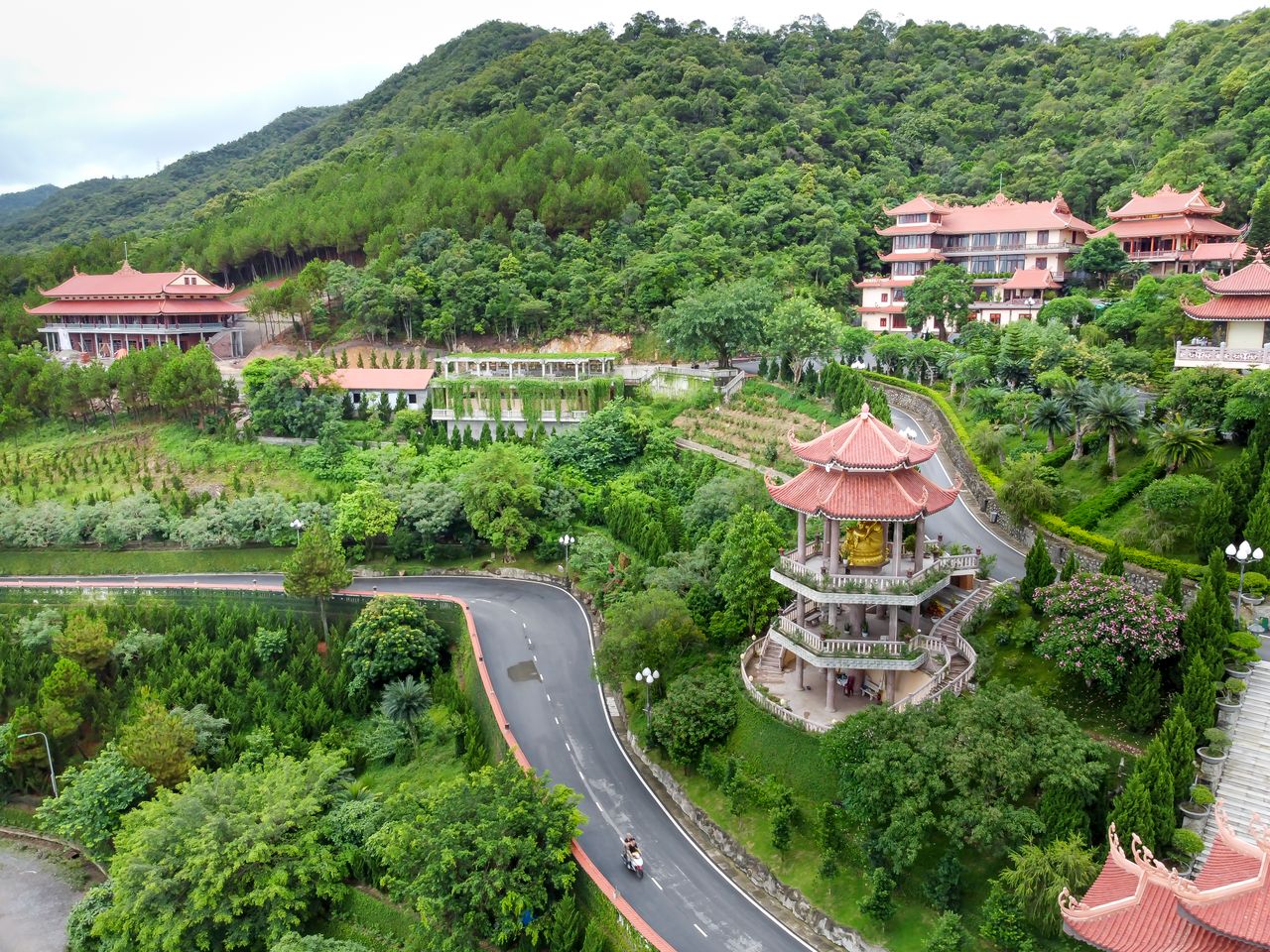
Close your eyes for a moment and imagine it.
The smell of lemongrass and charcoal drifting from a street cart at dusk. The low resonance of a temple bell somewhere in the distance, unhurried, ancient, indifferent to the time. The particular quality of heat that settles on your skin like a second layer and tells you, without a single word, that you are somewhere else entirely.
This solo travel across Southeast Asia guide is not your average itinerary — it’s a permission slip to go slowly, feel everything, and come back changed. It’s for the person who has been carrying a quiet dream of solo travel for longer than they’d like to admit. The one who has bookmarked flights and closed the tab. Who has started planning and talked themselves out of it. Who wants to go — who knows, somewhere deep down, that they need to go — but hasn’t yet found the version of this conversation that accounts for how they actually are.
If you have ADHD or a neurodivergent mind, this guide was written with your nervous system in mind. Not as an afterthought or a sidebar, but as a central consideration — because the way you move through the world is the way you’ll move through travel, and that’s not a problem to be managed. It’s a texture to be understood.
What follows is part practical guide, part slow travel philosophy, part love letter to a region that has a way of asking you to slow down, look up, and remember who you are when no one is watching. It covers planning, safety, budget, destinations, packing, managing overwhelm on the road, and how to come home with more than photographs.
Southeast Asia has a way of doing that to people. Arriving is easy. Leaving is the hard part.
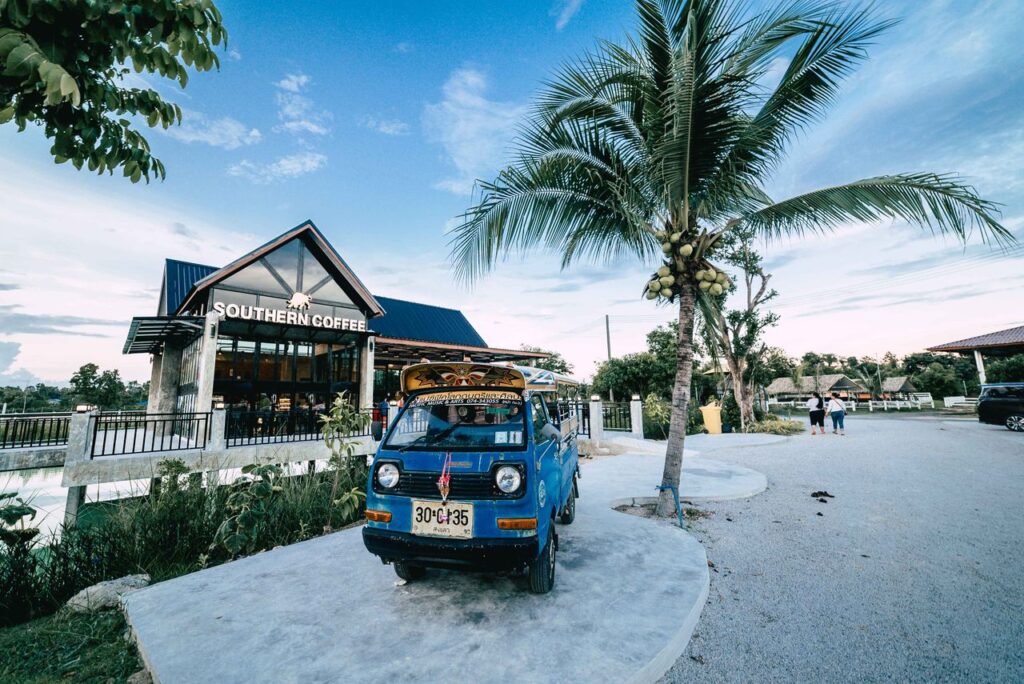
How Solo Travel Can Change Your Life and Why Southeast Asia is One of the Best Places to Start
There is a version of yourself that only appears when the familiar scaffolding of your life falls away — when you are in a country where no one knows your name, where the language is new, where you have to navigate, decide, get lost, and find your way back entirely on your own.
Solo travel Southeast Asia offers something that few experiences in adult life still can: complete, unstructured confrontation with yourself. No buffer of familiar people or routines. No performance for anyone’s expectations. Just you, and what you notice, and what you choose.
How solo travel changed my life and creativity is a question with a different answer for everyone who has made the trip — but the themes are remarkably consistent. A renewed trust in instinct. A sharpened creative eye. A loosening of the grip on who you thought you had to be. A discovery of what genuinely delights you when no one else is choosing the agenda.
You don’t find yourself by staying where you’re comfortable. You find yourself by going somewhere that asks you to show up without your armor.
Why Southeast Asia Specifically
As an entry point into solo travel, Southeast Asia is almost uniquely forgiving. Infrastructure exists for independent travelers across every budget tier. English is widely spoken in tourist areas. The food is extraordinary and affordable. The landscapes range from mountain forests to pristine coastlines to ancient temple complexes. The cost of living is low enough that even a limited budget stretches into genuine freedom.
But beyond logistics, there is something about Southeast Asia’s spiritual and sensory richness — the temple incense, the rice paddy light, the extraordinary craftsmanship of its traditional arts — that tends to break open something in creative and sensitive people. This is a region that rewards presence. That gives back to those who slow down long enough to actually receive it.
The ADHD and Neurodivergent Traveler in Southeast Asia
For ADHD travelers, solo travel Southeast Asia offers a particular kind of liberation: novelty — the ADHD brain’s primary fuel — is available in spectacular, unending abundance. New food, new landscapes, new languages, new sensory input at every turn. The interest-based nervous system that can struggle to engage with routine at home often comes dramatically alive on the road.
Neurodivergent people also often find that solo travel provides relief from one of the most exhausting features of daily life: social masking. When you travel alone, you set your own pace, choose your own company, and navigate purely according to your own needs. For people who have spent years performing neurotypicality in social and professional environments, this freedom is not a small thing.
How to Plan Your Southeast Asia Travel Itinerary for First Timers: Step-by-Step Guide
The most common planning mistake first-time solo travelers make is trying to see too much. The second most common is over-scheduling every day and leaving no room for the unexpected — which, in Southeast Asia, is where most of the best things happen.
A Southeast Asia travel itinerary for first timers works best when it has anchor points and open space in roughly equal measure. You need enough structure to feel secure, and enough flexibility to follow what calls to you once you arrive.
ADHD Travel Planning Tips for Southeast Asia
Traditional rigid itineraries tend to fail ADHD travelers for a specific reason: they assume consistent executive function, predictable energy levels, and equal enthusiasm for every scheduled activity. None of these are reliable features of the ADHD travel experience.
- Build a flexible skeleton itinerary: book your first night’s accommodation in each city, your major transport connections, and any non-negotiable experiences. Leave everything else as intention, not obligation.
- Use visual planning tools: Google Maps saved locations, TripIt for logistics, Notion for a visual overview of your trip. ADHD brains process spatial information well — seeing your trip mapped out reduces the cognitive load of keeping everything in your head.
- Make decisions before you leave: narrow your restaurant choices, activity options, and day-trip possibilities in advance. On-the-ground decision fatigue is a real drain for ADHD travelers, and it increases impulsive spending.
- Build buffer days deliberately: every three to four intense travel days should be followed by a slow, unscheduled day. ADHD brains need transition and recovery time between high-stimulation experiences.
- Packing with ADHD: create a master packing list and use it every trip. The same list, printed or saved, removes the pre-departure mental load of remembering what you need.
General First-Timer Planning Essentials
- Entry point choices: Bangkok, Bali (Denpasar), Ho Chi Minh City, and Singapore are the most common starting hubs for first-time solo travelers — each with different energy, different regional access, and different budget implications.
- Visa requirements: these change regularly and vary by passport. Always check the current requirements for each country at the official embassy or government travel advisory site for your nationality before you book.
- Travel insurance: non-negotiable for solo travel. Look for policies that cover medical evacuation, trip cancellation, and gear theft — the specific risks that matter most when traveling alone.
- Vaccinations and health preparation: consult a travel health clinic at least six weeks before departure. Southeast Asia has specific health considerations that your regular GP may not be current on.
- Accommodation booking strategy: pre-book your first night in each new destination and leave subsequent nights flexible. This gives you a landing point without locking you into a rigid schedule.
Female Solo Travel Across Southeast Asia: How to Feel Safe and Protect Yourself
Solo female travel in Southeast Asia is genuinely accessible, widely practiced, and — with the right preparation and awareness — deeply safe for most travelers in most situations. The conversation around safety for women traveling alone sometimes generates more fear than the reality warrants. It also sometimes understates the importance of specific, practical preparation.
How to feel safe traveling alone as a woman is partly a question of logistics and partly a question of learning to trust yourself in unfamiliar environments. Both can be developed. Neither requires fearlessness. They require readiness.
Solo Travel Tips for Introverts and Sensitive Travelers
Introverted and sensitive travelers often have a quiet safety advantage that goes unacknowledged: heightened environmental awareness. The ability to read a room, notice what feels off, register the subtle signals that something isn’t right — these are sensitivity assets in a safety context.
- Managing social energy on the road: you don’t have to engage with every fellow traveler who approaches you. It’s entirely acceptable to be warmly polite and clearly unavailable. Choose your social interactions with the same intentionality you bring to every other aspect of slow travel.
- Sensory overwhelm while traveling through busy markets, crowded streets, or loud transport hubs is a genuine challenge for sensitive nervous systems. Strategies: noise-canceling headphones as a constant companion, scheduled quiet recovery time after high-stimulation environments, and permission to exit situations that feel overwhelming without needing to explain yourself.
- ADHD and hypervigilance on the road: ADHD threat-detection systems can go into overdrive in unfamiliar environments, making everything feel potentially dangerous. Grounding practices — physical movement, slow breathing, orienting to specific sensory details in your immediate environment — can interrupt the hypervigilance spiral.
- Traveling at your own pace without apology: you do not owe anyone an explanation for needing more rest, fewer group activities, or a slower itinerary than other travelers around you.
Practical Safety Tips for Solo Female Travelers in Southeast Asia
- Research destination-specific safety considerations before arriving — not to generate anxiety, but to arrive informed. Local women’s travel forums and current blog posts from solo female travelers are more current and specific than general travel advisories.
- Accommodation safety: book accommodation with reviewed security, read recent reviews from solo female travelers specifically, and trust your instincts on arrival. If a place doesn’t feel right, leave.
- Transportation safety: use Grab (the Southeast Asian equivalent of Uber) for rideshare rather than unmarked taxis. Avoid overnight transport in situations where you can’t secure your belongings. Travel during daylight when arriving somewhere new.
- Digital safety: use a VPN on public networks, avoid sharing your real-time location on public social media, and keep your accommodation details private.
- Your gut is your most reliable safety tool. It has access to information your conscious mind hasn’t processed yet. If something feels wrong, trust that feeling before you try to rationalize it away.
- Check-in system: establish a simple routine with someone at home — a message each morning or evening confirming you’re well. This creates accountability without surveillance and gives peace of mind to both parties.
How to Travel Southeast Asia on a Budget
One of Southeast Asia’s great gifts to the solo traveler is that the most meaningful experiences are frequently the most affordable — and sometimes entirely free. Knowing how to travel Southeast Asia on a budget isn’t about deprivation. It’s about understanding where money matters and where it doesn’t — and directing your resources toward what actually enriches the trip.
Country-by-Country Daily Budget Overview
- Thailand: $30–50 USD per day covers comfortable guesthouses, local food, and activities. Bangkok runs higher; northern and southern regions are significantly cheaper.
- Vietnam: $25–40 USD per day. One of Southeast Asia’s best value destinations, with extraordinary food at street level and a wealth of free cultural experiences.
- Indonesia (Bali): $35–60 USD per day depending on area. Ubud is more affordable than Seminyak; Lombok and Flores are more affordable still.
- Cambodia: $25–40 USD per day. One of the most budget-friendly destinations in the region, with Angkor Wat entrance fees the primary significant cost.
- Philippines: $30–50 USD per day. Island-hopping transport costs add up — budget accordingly, or choose one island cluster and explore deeply.
- Malaysia: $35–55 USD per day. Kuala Lumpur and Penang offer excellent food scenes at street level; Borneo adds cost but rewards it entirely.
Where Budget Travel Decisions Actually Matter
- Accommodation: the gap between a $10 hostel and a $25 boutique guesthouse is often the gap between poor sleep and genuine rest. For sensitive and neurodivergent travelers, sleep quality is non-negotiable — it’s worth the extra cost.
- Food: eat where locals eat. The best meals in Southeast Asia cost less than $3. Tourist-area restaurants can cost ten times that for food that’s half as good.
- Transport: overnight buses and trains between destinations are both cost-savers and experiences — you save a night’s accommodation cost and wake up somewhere new.
- The slow travel budget advantage: staying in one place for two weeks almost always costs less than moving every two days. Accommodation rates drop for longer stays, you stop paying tourist prices once locals recognize you, and you make fewer impulsive activity purchases.
ADHD Travel Budget Tip
Decision fatigue increases impulsive spending. When you’re overwhelmed by choices and low on cognitive resources, you make purchases you wouldn’t otherwise make. Pre-setting a daily spending limit before you leave — and keeping it as a note on your phone — reduces the mental load of financial decision-making on the road and prevents the spending regret that often follows a depleted ADHD decision-making moment.
Best Countries in Southeast Asia for Solo Travelers: Where To Go Based on Your Travel Style
There is no single best country in Southeast Asia for solo travelers — because the best country depends entirely on who you are and what you’re seeking. What follows is a guide to the best countries in Southeast Asia for solo travelers organized by travel style, with particular attention to the places that reward the intentional, the sensitive, and the neurodivergent traveler most generously.
Best Hidden Gems in Southeast Asia for Slow Travelers
These are the places that hold you longer than planned. The ones you meant to visit for three days and left three weeks later, wondering how you’ll ever explain it to people who haven’t been.
- Pai, Thailand: a small creative hill town in northern Thailand with a bohemian community of artists, musicians, and long-term travelers. Cool evenings, hot springs, waterfalls, and a pace of life that actively resists hurrying.
- Kampot, Cambodia: a river town of extraordinary quietness, colonial architecture, pepper farms, and a community of creatives and slow travelers who found it and refused to leave. One of the best hidden gems in Southeast Asia for slow travelers seeking genuine stillness.
- Hoi An, Vietnam: lantern-lit streets, tailors, art galleries, and a human scale that makes it one of Southeast Asia’s most walkable and sensory-gentle towns. Best visited on weekday mornings before the day-trip crowds arrive.
- Luang Prabang, Laos: the monk alms ceremony at dawn, the river light in the late afternoon, the temple bells, the extraordinary gentleness of this UNESCO-protected town. One of the most profoundly slow destinations in all of Southeast Asia.
- Sidemen, Bali: rice terraces, silence, and the Bali that mass tourism hasn’t reached. A place to restore after the intensity of Ubud or the coast.
- Sagada, Philippines: mountain mist, pine trees, hanging coffins, and cool air that invites stillness. One of the Philippines’ most extraordinary slow travel destinations and one of Southeast Asia’s best kept secrets.
These hidden gems share a quality that makes them especially valuable for ADHD and neurodivergent travelers: lower stimulation, slower pace, more authentic local connection, and an environment that makes genuine presence feel possible rather than aspirational.
Country Profiles for First-Time Solo Travelers
- Thailand: the best overall starting country for first-time solo travelers — established infrastructure, widely spoken English, a mature solo-traveler ecosystem, and an extraordinary range of landscapes and experiences within one border.
- Vietnam: best for creative and cultural immersion. The food alone justifies the trip. Add in the history, the art, the landscapes from the rice terraces of Sapa to the limestone karsts of Ha Long Bay, and Vietnam rewards the curious traveler at every turn.
- Indonesia, Bali: best for spiritual seekers and creative retreat. Yoga culture, rice terrace walks, temple ceremonies, artisan communities in Ubud, and a wellness infrastructure unmatched in the region.
- Philippines: best for island-hopping and marine beauty — and significantly underrated on the solo travel Southeast Asia circuit. Diverse, warm, English-speaking, and hiding some of the region’s most extraordinary landscapes.
- Cambodia: best for history and budget travel. Angkor Wat is a genuine wonder of the world that no photograph adequately prepares you for. The surrounding river towns offer some of the region’s most affordable and atmospheric slow travel experiences.
- Malaysia: best for urban and nature contrast — the Penang food scene, Borneo wildlife, and Kuala Lumpur’s modern energy make Malaysia one of the most diverse single-country experiences in Southeast Asia.
How to Travel Intentionally and Create Meaningful Memories
Slow travel is, at its core, a rejection of the tourist checklist — the frantic accumulation of sights seen and countries ticked that leaves travelers exhausted and somehow still hungry for something they can’t quite name.
Knowing how to travel slowly and intentionally on a budget begins with a counterintuitive truth: the slower you travel, the cheaper it tends to be. Staying longer in fewer places costs less than moving constantly. It also, almost without exception, produces richer experiences.
Defining Slow Travel — and Why It Works
Slow travel means staying in one place long enough to stop being a visitor. Long enough to find your coffee shop. To recognize the faces at the morning market. To understand the rhythm of the neighborhood at different times of day. To make something — a piece of writing, a drawing, a collection of photographs — that could only have come from being in this specific place with this specific quality of attention.
This is how intentional travel becomes creative travel. The depth of experience that slow travel produces is the raw material of genuine creative work.
The ADHD Slow Travel Advantage
For ADHD travelers, slow travel solves one of the most energy-draining features of conventional travel: constant decision-making about where to go next. When you’ve committed to staying in Hoi An for two weeks, you remove an entire category of daily decisions. You’re not choosing your next destination — you’re choosing how to spend this afternoon. That’s a manageable, even pleasurable cognitive load.
Slow travel also reduces the sensory overwhelm that comes with frequent transitions — new airports, new accommodation, new transportation, new navigation. For neurodivergent people who need time to acclimate to new environments, staying put is not limiting. It’s the condition under which travel becomes genuinely nourishing rather than merely stimulating.
Building a Home Base Abroad
- Look for accommodation that offers weekly or monthly rates — guesthouses, serviced apartments, and Airbnbs all become significantly cheaper at longer durations.
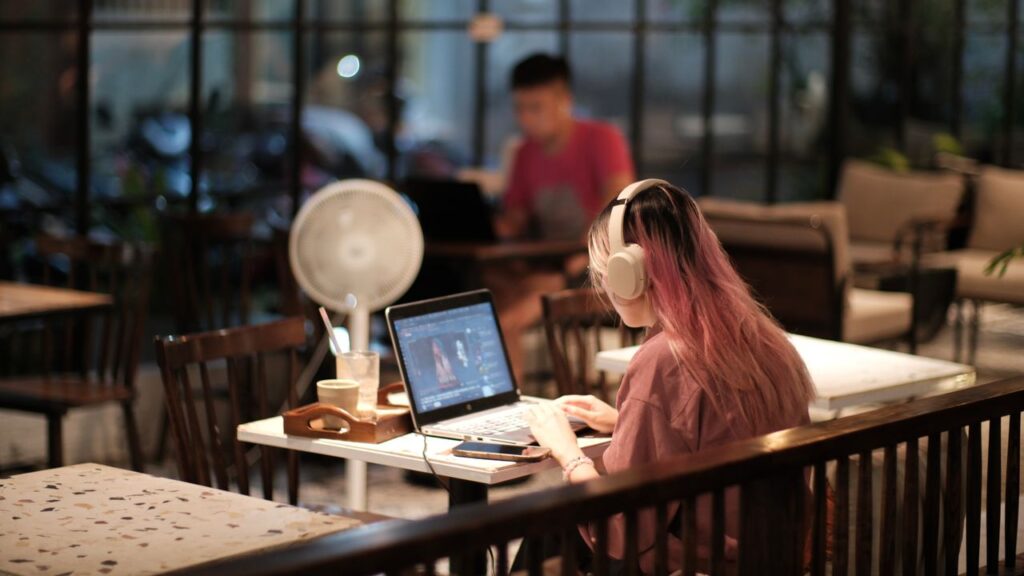
- Find your regular spots within the first two days: the coffee shop where the wifi is reliable, the market stall with the best breakfast, the quiet street for evening walks. These small routines create the container that makes creative work possible on the road.
- Protect morning time for creative practice. Travel has a way of filling every available hour with experience — which is wonderful and also exhausting. Keeping mornings slow and internal gives your creative self the space to process what you’re living.
How to Manage Sensory Overwhelm as an ADHD Traveler
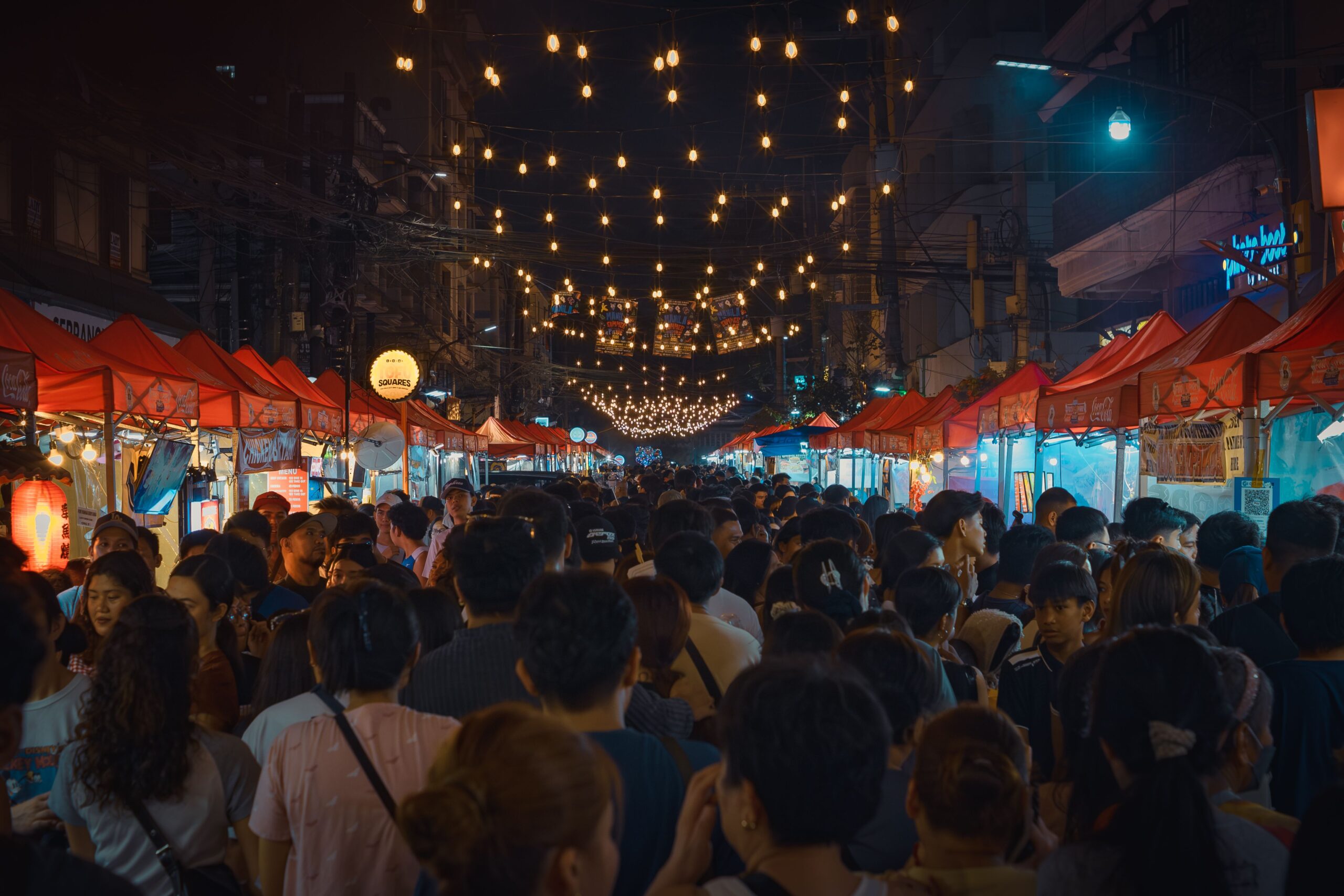
Southeast Asia is sensory abundance at volume. That is part of its extraordinary beauty — and part of its significant challenge for travelers whose nervous systems are already working hard to process the world.
Solo travel for neurodivergent people requires an honest accounting of sensory needs alongside logistical ones. Your nervous system is not an inconvenience to manage. It’s the instrument through which you’ll experience everything this region has to offer. It deserves preparation and protection.
How to Travel With ADHD: Tips and Strategies That Actually Help
- Pre-trip nervous system preparation: in the week before departure, reduce unnecessary stimulation where possible. Sleep well, eat regularly, limit alcohol, and give your nervous system the most stable foundation you can before voluntarily throwing novelty at it for weeks.
- Pack a sensory regulation kit: noise-canceling headphones (non-negotiable), an eye mask, a small comfort item from home, fidget tools for high-stimulation environments, and any regulation aids that are part of your daily toolkit.
- Airports and transit hubs are often the most overwhelming parts of travel — more so than the destinations themselves. Strategies: arrive early enough to move slowly, use airport lounges where accessible (many can be purchased for a single visit), eat before you’re hungry, and use headphones from the moment stimulation escalates.
- ADHD travel planning tip: use hyperfocus as an asset. When you arrive somewhere new and the interest is high, the ADHD brain’s capacity for deep, absorbed exploration is a genuine superpower. Just build in the recovery time afterward — the hyperfocus crash is real, and it needs space.
- Build recovery days into your itinerary at the planning stage: every three to four high-stimulation days needs one slow, unscheduled day. This isn’t wasted travel time. It’s the condition under which everything else becomes sustainable.
- Medication management across time zones: consult your prescribing doctor before departure for guidance specific to your medication. Keep medications in carry-on luggage, carry documentation from your doctor, and research the legal status of your specific medications in each country on your itinerary — this varies significantly across Southeast Asia.
Slow Travel Southeast Asia: Neurodivergent-Friendly Destinations
Some Southeast Asian destinations are measurably more manageable for ADHD travelers and those with sensory sensitivities than others. What makes a destination neurodivergent-friendly: access to quiet natural environments, a slower communal pace, reliable infrastructure, strong digital nomad communities (which means good wifi, co-working options, and a community of people who understand remote and flexible working), and accommodation options that support longer stays.
- Chiang Mai, Thailand: one of Southeast Asia’s most established digital nomad cities. Quiet temple neighborhoods, abundant nature retreats in the surrounding mountains, excellent healthcare, and a large community of long-term solo travelers who understand the value of slow, intentional living.
- Ubud, Bali: a spiritual and creative sanctuary with yoga culture, rice field walks, artisan communities, and a wellness infrastructure that actively supports nervous system regulation. One of the best slow travel Southeast Asia bases for neurodivergent travelers.
- Hoi An, Vietnam: walkable, human-scaled, lantern-lit. The sensory input is gentle rather than overwhelming — beautiful rather than loud. An ideal base for ADHD travel planning that prioritizes depth over breadth.
- Koh Lanta, Thailand: a quieter island alternative to the party islands, with a long-stay community, good wifi, and an unhurried rhythm that suits sensitive nervous systems and extended creative stays.
How to Deal with Loneliness and Fear When Traveling Alone
Here is what the highlight reels of solo travel don’t show: the afternoon in the guesthouse room when you don’t feel like going out and you’re not sure why. The dinner alone at a table for two where the awareness of your aloneness arrives without warning. The moment — usually around day three or four — when the novelty quiets down and you are left, somewhat unexpectedly, entirely with yourself.
This is not a failure of the trip. It is the trip.
How to find yourself through solo travel almost always runs through this territory — through loneliness, through uncertainty, through the encounter with your own company that only becomes possible when there’s no one else to defer to, distract yourself with, or hide behind.
Loneliness vs. Solitude
Loneliness and solitude are not the same experience, though they can arrive wearing each other’s clothes. Loneliness is the ache for connection that isn’t there. Solitude is the quiet fullness of your own company. Solo travel teaches you, if you stay with it, to move from one to the other — to let loneliness pass through without treating it as evidence that something is wrong with you or with the trip.
For ADHD travelers, rejection sensitive dysphoria can amplify loneliness significantly. A day with no meaningful social interaction can feel, neurologically, like evidence of fundamental unlovability — which is the RSD distortion, not the reality. Naming this dynamic doesn’t eliminate it, but it creates some distance from the story it wants to tell.
Practical Connection Strategies for Solo Travelers
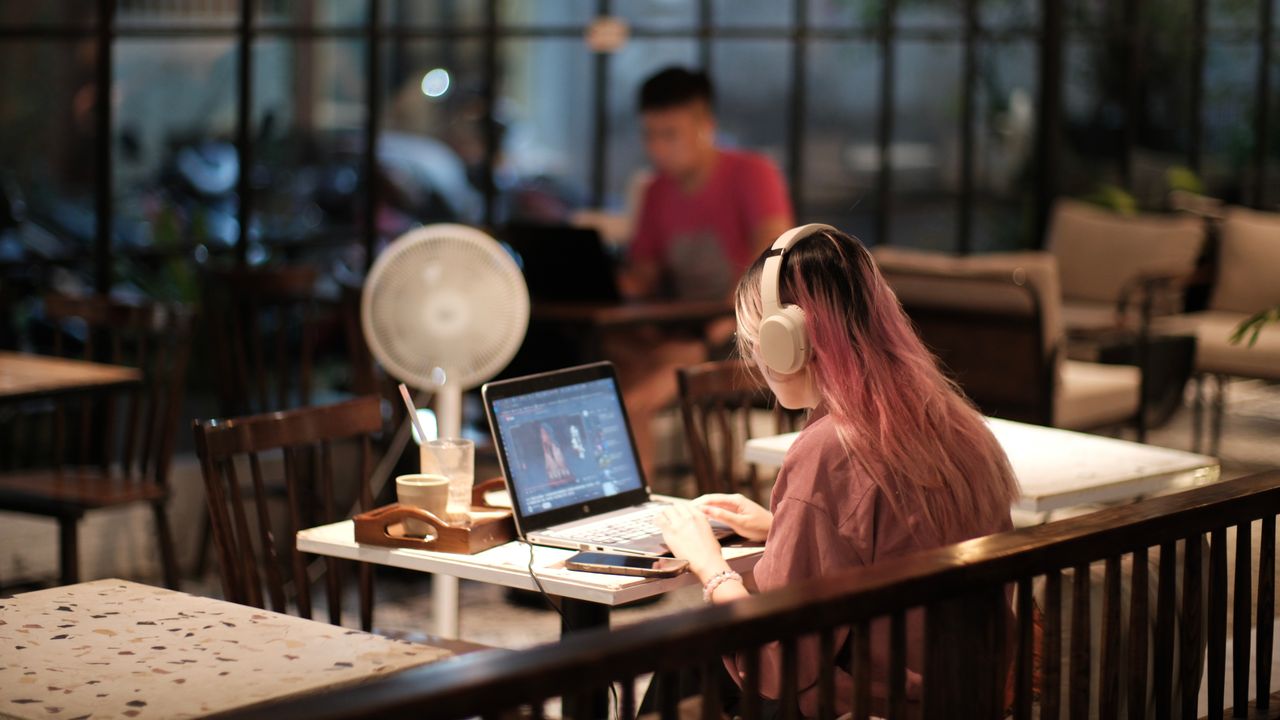
- Co-working spaces: even if you’re not working, these are consistently the best places to meet other solo travelers who are long-term, intentional, and genuinely interesting.
- Free walking tours: an excellent first-day-in-a-city strategy for meeting other travelers and orienting yourself simultaneously. No commitment, low pressure, high return.
- Hostel common areas: the social infrastructure of solo travel has always lived here. You don’t have to stay in dormitories to use common areas — many hostels welcome non-guests for meals or drinks.
- Language exchange apps and local meetups: these connect you with locals who want to practice their English and offer conversation, local knowledge, and perspective that no guidebook provides.
How to find yourself through solo travel is not, in the end, a dramatic revelation that arrives on a mountaintop. It’s quieter than that. It’s the accumulated evidence of dozens of small moments in which you made a decision alone, navigated something difficult alone, and discovered that you were, entirely and surprisingly, enough.
How to Find Creative Inspiration Through Travel
Travel is one of the oldest and most reliable creative catalysts available. New sensory input disrupts the grooves of habitual perception. Distance from familiar environments produces unfamiliar thoughts. The confrontation with beauty — and Southeast Asia is relentless in its beauty — activates parts of the creative mind that ordinary life keeps dormant.
How to find creative inspiration through travel doesn’t require a particular budget or a particular itinerary. It requires a quality of attention — the willingness to notice slowly, to resist the impulse to photograph everything and actually see some things instead.
Why Southeast Asia Specifically Feeds Creative Work
The craftsmanship of this region — the batik of Java, the silk weaving of Luang Prabang, the stone carving of Angkor, the lantern-making of Hoi An, the offerings assembled fresh every morning in Balinese households — is a constant, daily encounter with meraki in practice. With people pouring their whole selves into what they make, not for exhibition, but because this is what it means to live.
For creative people who have lost touch with why they make things, or who need to remember what it feels like to create from genuine motivation rather than obligation, Southeast Asia offers this reminder in extraordinary abundance.
The ADHD Traveler’s Creative Advantage
ADHD travel creativity has a particular quality: the novelty-seeking wiring that can make routine life feel flat makes new environments intensely, almost overwhelmingly absorbing. Every sense is engaged. Every detail is potentially significant. The ADHD creative in Southeast Asia is not dulled by familiarity — they are, often for the first time in a long time, fully alive to what’s in front of them.
- Travel journaling: capture what you notice, not just what happens. The quality of light at four in the afternoon. The sound of rain on a tin roof. The feeling of arriving somewhere that immediately makes sense to you in a way you can’t explain. These are the raw materials of genuine creative work.
- Photography as mindfulness: put the phone down for half the time and look with your actual eyes for the other half. The photographs you take after really looking are always better than the ones you take instead of looking.
- Drafting creative content on the road: Southeast Asia is an extraordinary backdrop for the kind of reflective, personal writing that resonates with your audience. Some of your best future posts may be written in a guesthouse in Hoi An or a coffee shop in Chiang Mai.
Southeast Asia Solo Travel Packing List: Everything You Need For A Comfortable Travel Experience
Packing for Southeast Asia as a solo traveler is an exercise in restraint — and for ADHD travelers especially, it benefits from a systematic approach established well before the night before departure.
The guiding principle: if you wouldn’t genuinely use it at home in an average week, you probably won’t use it on the road. Southeast Asia is hot, humid, and easy to shop in. Almost anything you forget can be replaced cheaply at a local market.
The ADHD and Neurodivergent Traveler’s Packing Essentials
- Noise-canceling headphones: the single most important item for sensory regulation across airports, buses, crowded streets, and overwhelming markets. Consider these non-negotiable.
- Comfort item from home: a small, familiar object — a particular scent, a soft fabric, a photograph — that anchors you when everything is unfamiliar. This is not a luxury. For neurodivergent travelers, comfort and familiarity are regulation tools.
- Fidget tools: whatever you use for regulation at home works on the road too. Bring it.
- Medication management: a weekly pill organizer, extra supply of any prescription medications (at least two weeks beyond your intended trip length), a letter from your prescribing doctor, and research on the legal status of your medications in each country you’ll visit.
- A simple, repeatable packing system: a master list saved on your phone that you use every trip. The ADHD pre-departure chaos spiral — the frantic checking and re-checking and forgetting anyway — is preventable with a list you trust enough to follow and stop second-guessing.
General Solo Travel Packing List for Southeast Asia
- Clothing: lightweight, breathable fabrics in neutral colors that mix easily. Modest options for temple visits — covered shoulders and knees are required at most religious sites. Fewer items than you think, washed regularly.
- Footwear: sandals you can slip on and off easily (temples require shoe removal constantly), and one pair of walking shoes for longer days. Two pairs maximum.
- Tech essentials: universal power adapter, high-capacity portable charger, unlocked smartphone with space for local SIM cards, lightweight laptop or tablet if you’ll be working or writing.
- Health kit: prescription medications with documentation, probiotics and digestive support for dietary transitions, quality insect repellent, reef-safe sunscreen, and a basic first aid kit.
- Documents: physical copies of your passport, travel insurance, emergency contacts, and accommodation bookings — stored separately from your originals. Photograph everything and store in cloud backup.
- The intentional travel journal: a physical notebook and a pen you love. Not for social media. For you.
How to Document Your Travels: Journaling, Photography, and Storytelling on the Road
Documentation transforms travel from experience into growth. Without some form of capturing — in words, images, or both — the richness of what you encounter can slip through your fingers faster than you’d expect. Six months after a trip, you’ll remember the photographs and the journal entries. The rest becomes impressionistic.
Travel Journaling for ADHD Brains
Traditional travel journaling — sitting down each evening to write detailed entries — is a beautiful practice that many ADHD travelers begin with great enthusiasm and abandon by day four. The blank page, the activation energy, the inconsistency — it’s a familiar arc.
- Voice memo journaling: speaking your observations and reflections into your phone as you walk is a legitimate, neuroscience-backed form of emotional and creative processing. Save these and transcribe the best ones later, or let them live as audio.
- Photo journaling: a sequence of photographs with brief captions is a form of journaling that suits visual thinkers and ADHD brains that process through image rather than language.
- End-of-day voice notes: two minutes of spoken reflection before you sleep — what you noticed, what surprised you, what you want to remember — takes almost no activation energy and creates a rich record over time.
- One-sentence-per-day entries: on the days when more is impossible, one honest sentence is enough. ‘I got lost in Hoi An’s Old Town and it was the best part of the trip.’ That is documentation. That is enough.
Photography as Presence
The best travel photography happens when you’ve looked without the camera first. When you’ve stayed with something long enough to understand what you actually want to capture and why. The practice of putting the phone away for portions of the day — choosing to see rather than to record — produces both better photographs and richer memories.
Travel as Content for Your Blog
Everything you experience on the road is potential content for your readers — who are, many of them, dreaming about exactly this kind of trip and looking for someone who traveled their way, at their pace, with their kind of brain. The honest, specific, sensory account of solo travel Southeast Asia as a sensitive, intentional, neurodivergent traveler is a story that very few people are telling well. You are positioned to tell it better than almost anyone.
How to document your travels meaningfully isn’t about producing content. It’s about paying enough attention to your own experience that you have something real to bring home.
Conclusion: You Don’t Need to Be Fearless. You Just Need To Take That First Step
We’ve moved a long way together through this guide: from why solo travel Southeast Asia changes you, through the practicalities of planning, safety, and budget, through the best destinations for intentional travelers, through the philosophy of slow travel and the specific strategies for neurodivergent nervous systems, through loneliness and creativity and documentation and packing lists.
Here is what I want to leave you with: you don’t have to be fearless to travel solo. You just have to be willing to go anyway.
The fear doesn’t go away in advance. It goes away on the second day in a new city, when you’ve found your coffee shop and figured out the transport and navigated something difficult and realized, with a quiet kind of wonder, that you are entirely capable of this.
And if your brain works differently — if you’ve wondered whether ADHD travel planning or neurodivergent travel logistics make this too complicated to be worth attempting — hear this: your brain doesn’t make travel harder. It makes it richer. Your sensitivity, your depth, your different way of experiencing the world — the way you notice what others walk past, the way beauty lands on you, the way new environments wake something up in you that routine keeps sleeping — these are your greatest travel companions.
Southeast Asia is waiting. It has been waiting, actually, with considerable patience and extraordinary beauty, for exactly this version of you to arrive.
Go slowly. Feel everything. Come back changed.







Leave a Reply