
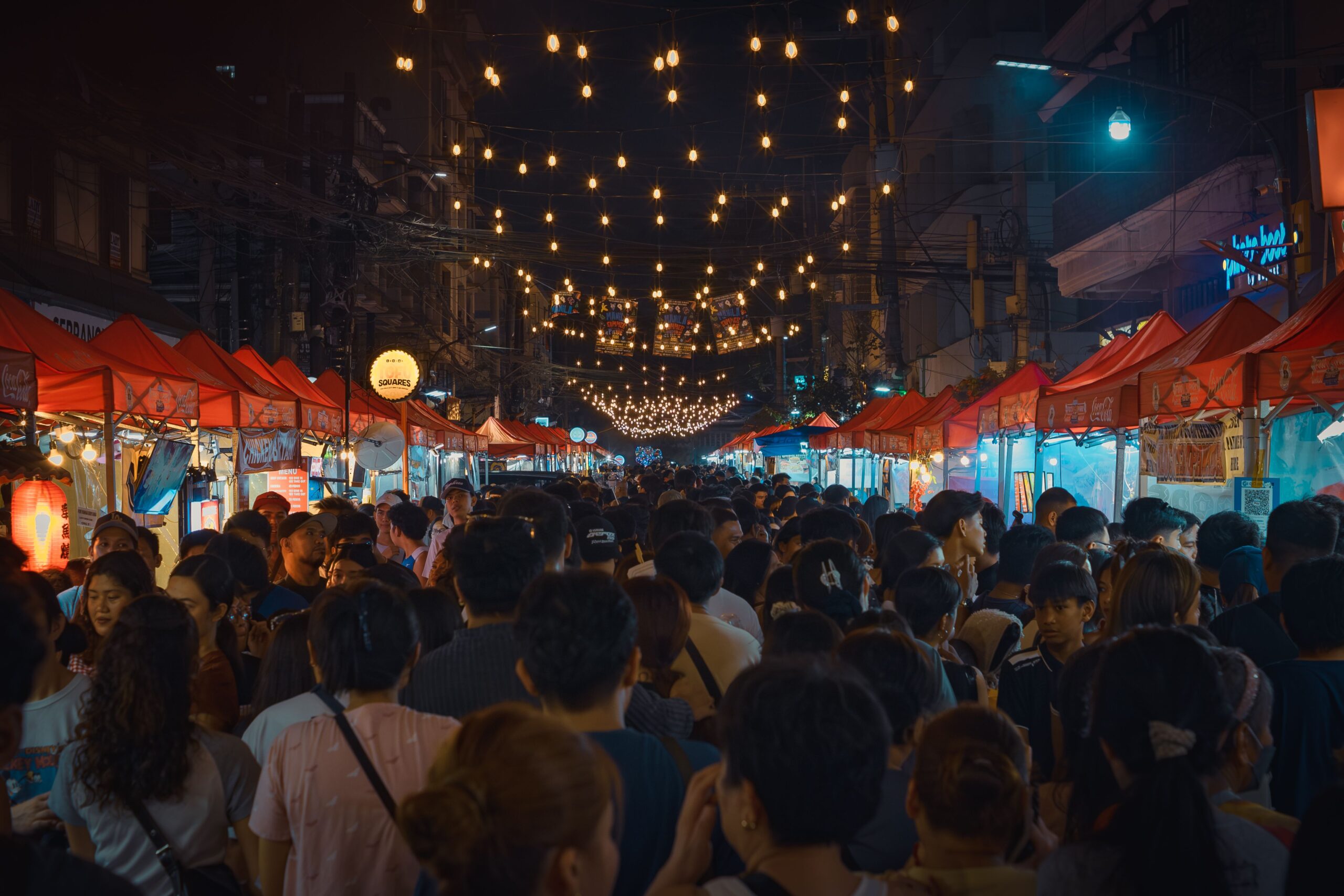
Picture yourself walking at night through the busy streets of Manila, Cebu, Davao, or another Philippine province you’re currently visiting. Everywhere you look, you smell the enticing aromas of grilled barbeques and fried Filipino street foods. But where do you start?
From the iconic Balut to sampling the Filipino version of street ice cream, we’ll explore several culturally popular Filipino street food, their humble origins, and why they hold a special place in the hearts of Filipinos.
So whether you’re an adventurous foodie or someone excited to explore Filipino cuisine, get your taste buds ready to explore the many unique flavors of Philippine street food.
11 Filipino Street Foods That You Can Find at Many Filipino Street Vendors
Balut
Ah, the iconic balut from the Philippines. Most tourists might balk at eating a fertilized duck egg with a partially developed embryo straight out of its shell. But for the locals, balut is an enjoyable and popular snack. It’s best eaten with dipping sauces like chili, salt, garlic, and vinegar.
Balut was first introduced to the Philippines by Chinese traders in 1885 and since then has become a part of the traditional Filipino cuisine culture. Despite its initial surprise factor, balut is a must-try for any adventurous foodie excited to try the unique and exotic aspects of Filipino cuisine.
Furthermore, balut is a cheap alternative to your daily dose of protein and calcium. Funnily enough, it’s also considered to be an aphrodisiac by some men. But I’d advise you to take that with a grain of salt.
Kwek Kwek or Tokneneng
If you’re in the mood for cooked eggs, then Kwek Kwek or Tokneneng might be right your alley. They’re little orange quail eggs or chicken or duck eggs covered in a bright orange batter made from flour and annatto powder. The eggs are then deep-fried to make a delicious protein snack.
The origin of Kwek Kwek is said to trace back to a balut vendor in Cubao. It’s said she accidentally dropped her balut on the ground and instead of throwing it away, she peeled off the shells and deep-fried them in batter to avoid wasting them.
You can find Kwek Kwek vendors in almost every corner of the Philippines. You can choose to dip your Kwek Kwek in spicy vinegar or sweet soy dipping sauce which adds a tangy element to your foodie experience.
Isaw
Another Filipino classic street food, Isaw is proof that Filipinos are resourceful to a whole new level. The origin of Isaw dates back to the 1970s when the price of meat was expensive and Filipino street vendors turned to sell scraps of pork and chicken as a meat alternative, including intestines. Thus, Isaw gained its popularity.
Isaw is grilled chicken or pork intestines, often marinated in a tangy and savory mixture that infuses the meat with a burst of flavors. The skewered intestines and generously brushed with a special marinade as they’re grilled. They’re commonly skewered on a barbeque stick.
The result is smoky and slightly charred meat that’s both tender and chewy.
Ngo Hiong
Originally from the city of Cebu, Ngo Hiong is a Filipino street food influenced by Chinese cuisine. Ngo Hiong is a mixture of vegetables, bamboo shoots, ground pork, and the Chinese 5 spice powder, wrapped in spring roll wrappers and deep fried to crunchy perfection.
The rolls are delicious with or without dipping sauce like vinegar or sweet sauce. It’s a popular street food among locals and tourists alike.
Chicharon Bulaklak
For those craving for a crunchy and sinful snack, chicharon bulaklak is the answer. Chicharon bulaklak is made from deep-fried pork intestines. While it may not be the healthiest street food in the Philippines, many Filipinos often enjoy eating this crunchy treat with a cold beverage.
The name Chicharon Bulaklak translates to ‘crackling flowers’ which is a fitting description since they resemble a blooming flower. You can find this deep-fried street food on the sidewalks near busy streets at night.
Ukoy/Okoy
Simply put, ukoy or also known as okoy, is a Filipino shrimp fritter. It has a unique texture coupled with a strong shrimp flavor. It’s delicious and eaten as is or paired with rice to make a more filling meal.
This street food is usually a combination of tiny shrimp mixed with grated green papaya, carrots, and bean sprouts mixed together with cornstarch batter and egg. It’s formed into patties and then fried until golden and crispy.
However, there are several variations across different Philippine provinces. One of the most well-known is the Vigan ukoy version which includes spring onions and glutinous rice flour which gives the ukoy more oomph for its taste factor.
Betamax
Not to be mistaken for old VHS tapes, Betamax is a unique Filipino street food dish made from solidified chicken or pork blood mixed with spices. They are sliced into small rectangles which bear a similar resemblance to Betamax tapes which is where it gets its name from.
While the concept may seem unusual to some, Betamax is a testament to Filipino creativity in transforming humble ingredients into something new. Purely made out of solidified animal blood, it does provide an interesting texture when eaten.
Grilled Pork Barbeque
Another Filipino street food classic, grilled pork barbeque is a common and popular food made from skewered and marinated pork pieces, grilled over hot charcoal until it’s cooked to savory perfection.
What makes Filipino grilled pork barbeque unique and special is its marinade which consists of a mixture of soy sauce, calamansi, garlic, brown sugar, and ketchup. The special marinade makes for a mouthwatering blend of sweet and savory flavors to the grilled pork meat.
Grilled Chicken Feet
Grilled chicken feet, also known as “Adidas” is proof enough that Filipinos are no strangers to using all parts of an animal when it comes to cooking. The reason why it’s called Adidas is the brand’s three stripes which are also similar to the three toes of the chicken foot.
Although there isn’t a lot of meat on the chicken feet, it does offer a unique taste and texture you can only find in the Philippines.
Dirty Ice Cream
Don’t let the name fool you – Dirty ice cream is anything but unclean. It’s a nickname for Filipino traditional ice cream and is also known as sorbetes. In the Philippines, you can find these sweet treats being peddled by vendors in colorful wooden push carts during hot afternoons near schools and churches.
Some common flavors you’ll find are vanilla, chocolate, and strawberry. But you might also find exotic and unusual flavors like mango, avocado, cheese, ube, and corn. But what makes dirty ice cream unique from commercialized Filipino ice cream is that dirty ice cream is made with coconut milk instead of regular cream or cow’s milk.
Halo-Halo
A highly popular summer treat, Halo-Halo is the ultimate dessert concoction that combines the diversity and vibrancy of the Philippine culture. It’s a refreshing and multi-layered dessert of shaved ice, and various sweet toppings like ripe banana, jackfruit, purple yam, sweet beans, leche flan, coconut jellies, and a scoop of ice cream.
The earliest variant of Halo-Halo dates back to pre-war Japanese settlers who introduced “Kakigōri” to Filipino cuisine. The original ingredients were shaved ice and condensed milk. Eventually, the Japanese added monggo and kidney beans, calling it ‘mong-ya.’
Over time, more ingredients were added to the mix until it became the modern-day Filipino Halo-Halo.
Local Tips on Trying Philippine Street Food
If you’re a first-time traveler to the Philippines, then you’ll need to learn a couple of local tips on trying Philippine street food. First, observe popular stalls. Locals often know where the best spots for street food are, so keep an eye out for busy stalls. If a stall has a crowd of customers, that usually means their food is both delicious and fresh.
Second, embrace the ‘ulam’ culture. In the Philippines, street food is not only considered a snack but also an ‘ulam’ which means it can be paired with rice. If you’re looking for a fuller and more satisfying meal, then consider buying a variety of street food like grilled pork barbeque, isaw, and ukoy and pair them with a side of rice. This way you’ll be able to get a taste of a traditional Filipino meal while experiencing the rich flavors of the street food.
Lastly, be mindful of hygiene. While the food in the Philippines is undeniably delicious, it’s important to prioritize hygiene and food safety. You should opt for vendors who wear plastic gloves while maintaining a clean and tidy stall. Look for stalls with fast-selling street food as this ensures the ingredients are fresh and constantly replenished.
Additionally, consider bringing your own hand sanitizer or wet wipes to maintain cleanliness while eating on the go.
Conclusion
We hope you enjoyed learning about some of the most delectable and must-try street food in the Philippines. Each of our suggestions reflects the unique culinary culture of Filipino history, creativity, and resourcefulness.
So, if you find yourself in the busy streets of the Philippines, take a minute to savor the sights, sounds, and tastes of its street food culture. Enjoy the novel experience and have a happy street food adventure!












Leave a Reply